
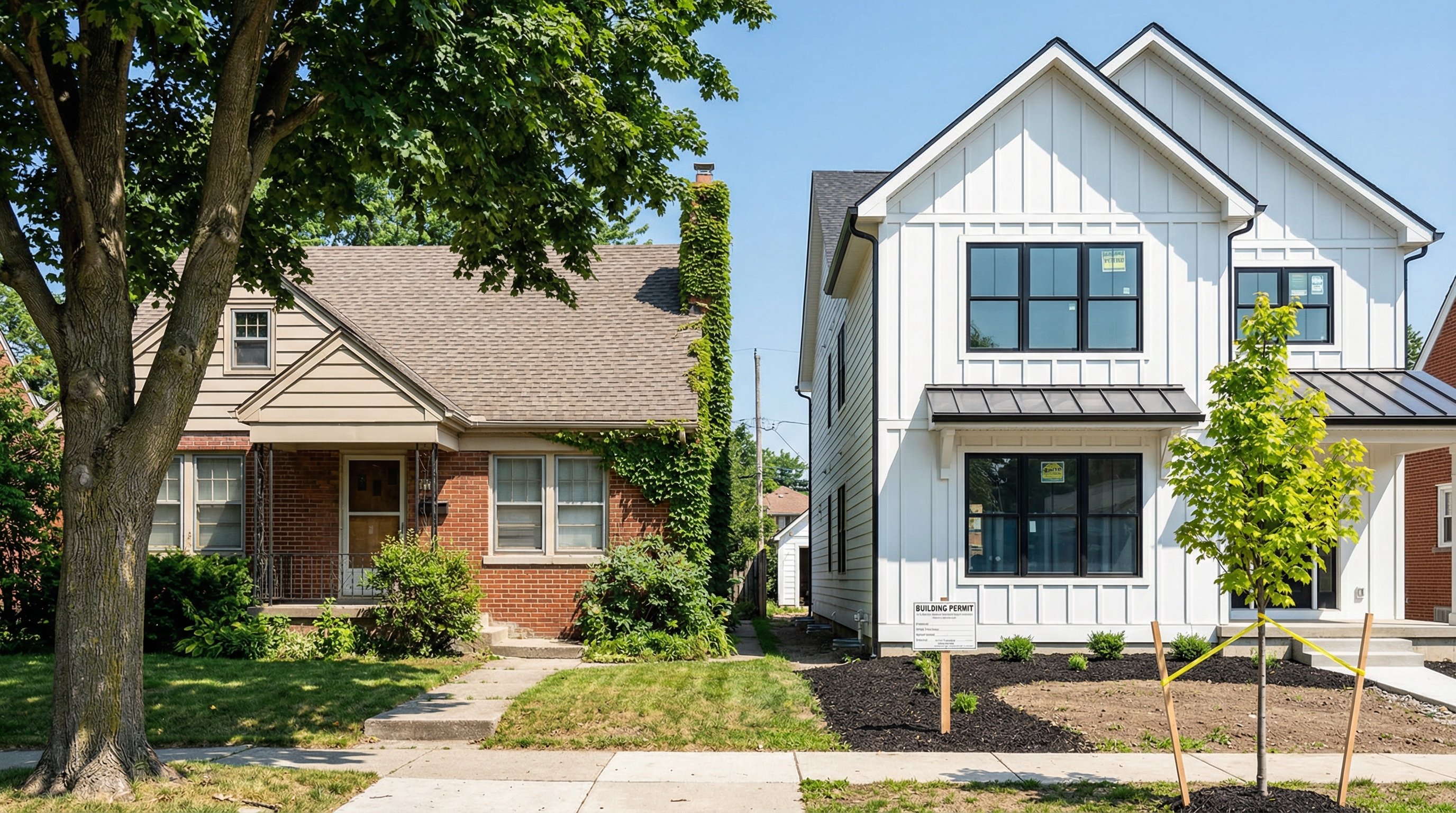
Should you buy something brand new or go with a home that's already been lived in? It's a question most buyers wrestle with, and there's no universal right answer. Budget, timeline, location, and personal priorities all factor in. This guide covers the real pros and cons of both so you can make the call with a clear head.
Key Takeaways
-
New construction homes come with modern layouts, energy-efficient systems, and builder warranties that keep early costs predictable.
-
Existing homes are typically move-in ready and priced lower than comparable new builds.
-
New builds often take months to complete and are located farther from city centers.
-
Buying existing may mean inheriting aging systems or deferred maintenance that surfaces after closing.
-
Factory-built homes offer new construction quality at a more accessible price, with delivery directly to your land.
What Sets New Construction Apart
A new construction home has never been lived in before. In many cases, you can customize it while it's being built, choosing finishes, floor plans, and layouts from the start. That level of control is hard to match when buying existing, where someone else made the design calls long before you arrived.
New builds are also constructed to current building codes, meaning updated electrical, plumbing, and insulation throughout. The dSifferences between modular vs stick built construction are worth understanding here, since both fall under the new construction umbrella but differ in how they're assembled.

The Benefits of Buying New
Less Maintenance in the Early Years
Everything in a new home starts fresh: the roof, the HVAC, the appliances, the water heater. That predictability matters when you're already stretching a budget to buy. With an existing home, you might face a roof with five years left or an HVAC unit near the end of its life. Many builders also cover structural components and major systems with warranties, adding protection right after you move in.
Energy Efficiency That Adds Up
New homes are built with modern insulation, high-performance windows, and energy-efficient appliances. That translates to real savings on monthly utility bills over time. Older homes, even well-maintained ones, often have air leaks, outdated heating systems, and aging appliances that cost more to run. The energy savings from a new build are a long-term financial advantage that grows more meaningful the longer you stay.
Customization and Built-In Technology
If you're buying early in the construction process, you can often choose your countertops, flooring, and cabinetry, and sometimes even influence the floor plan layout itself. Many new builds also come with smart home technology already integrated: programmable thermostats, pre-wired internet connections, and security systems. That's not something you'd typically find in an older home without paying for costly retrofits afterward.
If new construction fits your needs, you can browse Home Nation's factory-direct new construction homes and find a model that works for your land and budget.

The Drawbacks of New Construction
Higher Upfront Costs
New construction generally costs more than comparable existing homes. The gap has narrowed, but the premium is still real. You'll also need to budget for landscaping, since new subdivisions often start with bare ground around the foundation. There's typically less room to negotiate with builders than with individual sellers of existing homes.
Build Time and Location Trade-Offs
If you need to move soon, a home still months away from completion won't work for your timeline. New construction also tends to happen farther from urban centers, where land is cheaper and more available. That can mean a longer commute and fewer nearby amenities. Reviewing the full pros and cons of new construction homes can help you decide whether those trade-offs fit your situation.
What Existing Homes Offer
Existing homes make up the bulk of the housing market for good reason. They're ready when you are, and you can tour the space before you commit. Established neighborhoods offer mature landscaping and better access to schools, shops, and services.
Buyers also tend to have more negotiating room with sellers of existing homes. Research into new construction versus existing homes confirms that price flexibility is often one of the bigger advantages of the pre-owned route.
The Real Downsides of Buying Existing
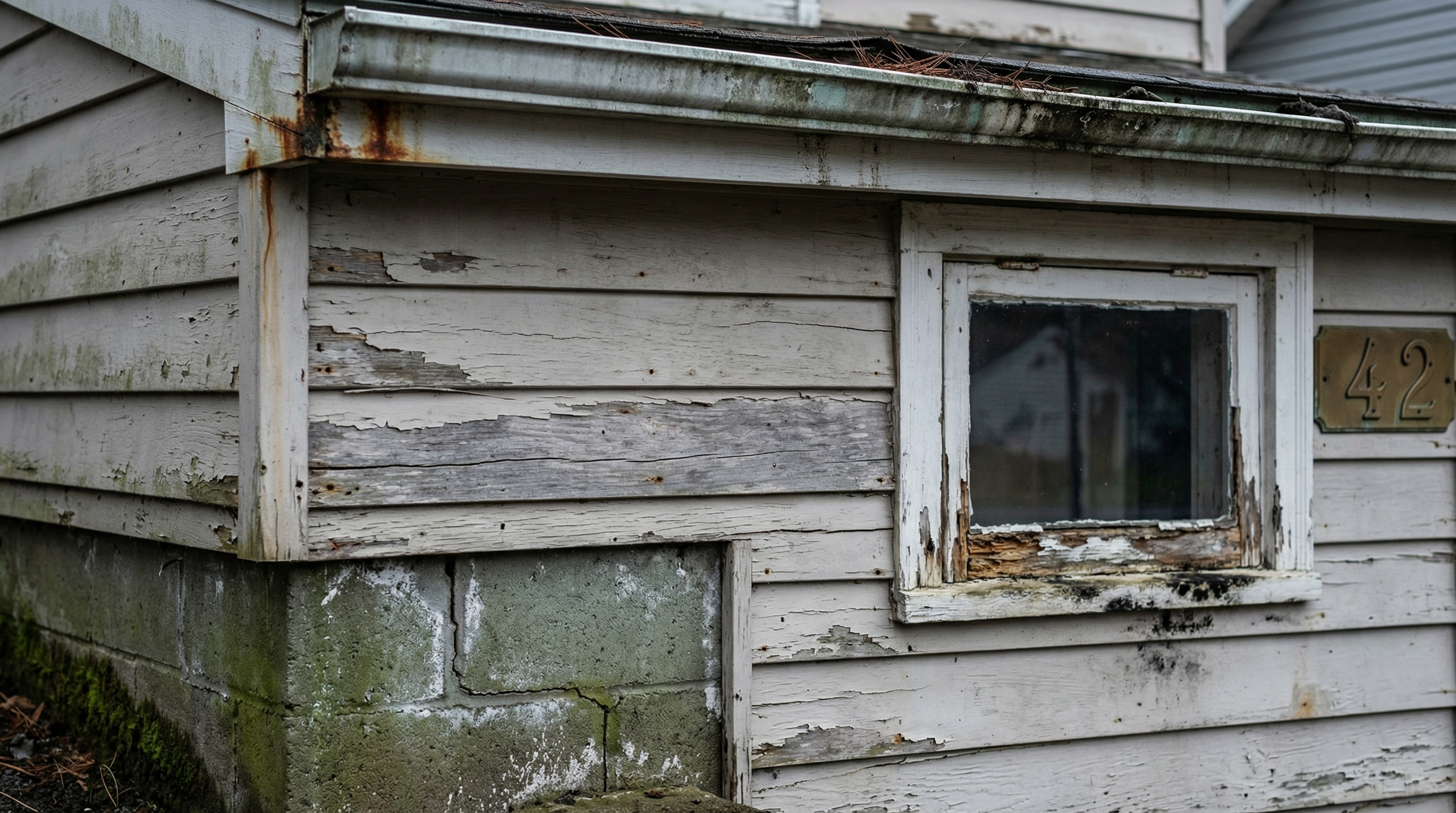
Older homes come with older systems. The roof might have a few years left on it, the HVAC could be near the end of its life, and the kitchen might need a full renovation before it functions the way a modern family expects. These issues don't always surface during a showing or a standard inspection. Layout limitations are another factor.
Many older homes weren't designed around how people live now, with smaller closets, fewer bathrooms, and closed-off floor plans. Buyers who research manufactured vs modular homes alongside older site-built options often find that factory-built alternatives deliver more functional space per dollar.
Related: 10 Things To Look For When Buying a Mobile Home
Factory-Built Homes: A Third Option Worth Knowing
The new-versus-existing debate doesn't have to be binary. Factory-built homes give you new construction quality at a lower price. Home Nation sells HUD-compliant, precision-built homes with features like kitchen islands and custom floor plans, delivered straight from the factory to your land. The stick built vs manufactured home comparison has changed considerably.
Modern manufactured homes meet strict federal standards and deliver finishes that compete with traditional site-built options. The advantages of factory built homes are clearest for buyers who own land and want to skip dealer markups. See how mobile vs modular homes compare, then read the pros and cons of buying a mobile home for a fuller picture.
Related: Factory Direct vs Dealer Purchase
Whatever type of home you settle on, financing can make or break the deal. Home Nation offers financing options for all credit types, so your credit history doesn't have to be the deciding factor.
Which Option Is Right for You
There's no single right answer. If you need to move fast and want certainty about what you're buying, an existing home is likely the better fit. If modern finishes, lower maintenance costs, and personalization matter more, new construction or factory-built homes deserve a serious look. Budget and location are usually the deciding factors, but so is your tolerance for uncertainty.
A new build comes with wait time. An existing home comes with condition questions. A factory-built home from Home Nation offers new construction quality at factory-direct pricing, with a process built to be simple from your first call to delivery day.