

by Home Nation• Updated March 12th, 2026
Adding an Extra Room to Your Mobile Home
How Much Does It Cost to Add a Room to a Mobile Home?
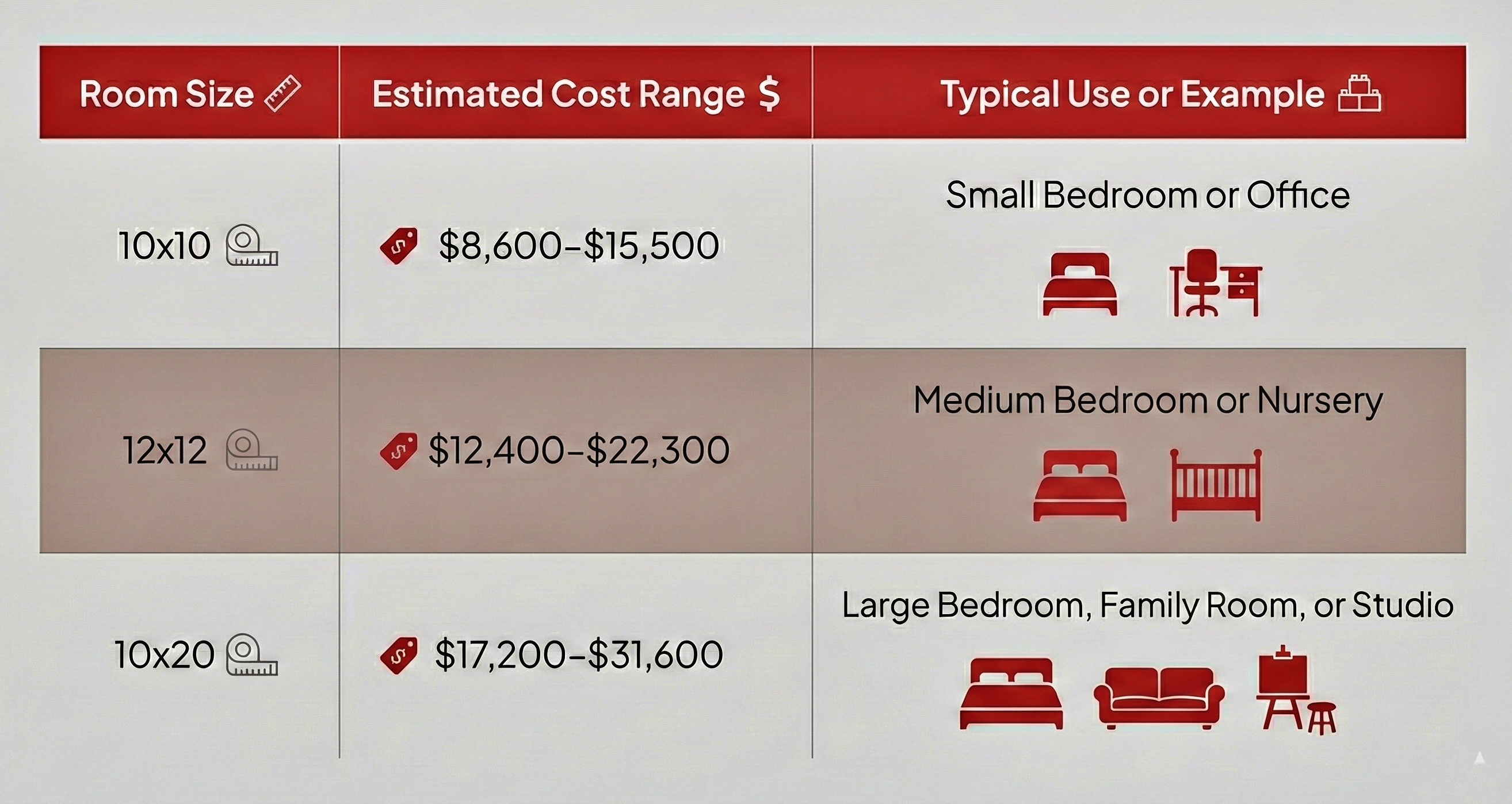
Budget is usually the first thing on everyone's mind when planning a mobile home addition. The good news is that you have options at different price points, and knowing what to expect can help you plan better. Several factors shape the total cost, including square footage, materials, labor rates in your area, and whether you're adding plumbing or electrical. Room complexity matters too, since a basic bedroom costs far less than a full bathroom with all the plumbing involved.
The most budget-friendly method is to build the addition yourself and save on labor costs. A prefab modular unit costs a bit more but is still a solid option if you don't want to handle construction personally. Hiring a contractor to build on-site is the priciest route, though it often delivers the most customized results and handles all the permits and inspections for you. For a detailed home addition cost breakdown, regional labor and material prices play a big role in final numbers.
In general, you can add a barebones single bedroom with no plumbing or elaborate features for a little under $10,000. Larger additions up to 20' x 20' can run as much as $40,000 in labor and materials. Mid-range projects typically fall between $15,000 and $25,000, depending on finishes and whether electrical work is needed. If you're considering adding a room to a manufactured home, getting multiple quotes from licensed contractors will give you the clearest picture of what to expect in your specific area.
When life changes and you need more room, there are two options. You can upgrade your space by selling and buying something more significant. Or you can stick with what you have and add an extra room to your mobile home. Many mobile homes are built as modular units, and it is relatively easy to add another room when needed.

When it comes to mobile home additions, the added room will be a separate structure that is butted up against the original home and then sealed to create a cohesive indoor environment. Therefore matching dimensions and materials is critical to the overall look and feel of the space.
Related: How to Find Your Mobile Home VIN Number
What Rooms Can You Add?
There is no limit to the imagination on the uses for an extra room. Many families opt to add a garage or sunroom to their existing home. Additional bedrooms, an entertainment room, or another bathroom are also popular. Begin by deciding what type of room you will add, where it will fit into the existing floor plan, and what materials and building methods will be utilized.
There are two options for building; you can frame out a structure using equal or better support than the existing home. Or you can have a modular unit built off-site and installed. Either way, there are building codes and electrical details to work out before any building can begin.
Some of the most common addition types include:
-
Extra bedroom for a growing family or overnight guests
-
Sunroom or enclosed patio for year-round relaxation
-
Home office or dedicated workspace for remote work
-
Attached garage or carport for vehicle protection
-
Bathroom addition to reduce morning traffic jams
If you're also thinking about remodeling your mobile home to look like a house, an addition can be part of that transformation. The right design choices, like matching rooflines and using similar exterior materials, can make your mobile home feel more like a traditional site-built property. Many homeowners combine an addition project with exterior upgrades to get a completely refreshed look.
Related: Remodel Your Mobile Home To Look Like A House
Finding a Contractor
Begin your search locally and branch out if needed to find a licensed and insured company to work with. In addition to labor and materials, there may be other fees. It is essential to ask for examples of work and references before signing a contract. Also, make sure that all costs and liabilities are clearly spelled out in the contract in case there is a difference of opinion once the work begins.
Consumer advocacy groups help recover more than $100 million dollars in scams, and the number one complaint is home improvement scams ranging from shoddy workmanship to bait-and-switch offers to complete work.
Before you hire anyone, make sure they have experience working with manufactured homes specifically. Mobile home construction differs from traditional stick-built homes in several ways, including floor systems, wall framing, and how the structure sits on its foundation. A contractor who understands those differences will deliver better results and avoid costly mistakes. Check for proper licensing in your state and verify their insurance covers any potential damage during construction. Ask to see photos of completed projects and talk to past clients if possible.
Understanding building permits for home additions is also part of the process, as most areas require permits for structural work. Your contractor should handle the permit application, but you'll want to confirm this upfront. Unpermitted work can cause problems down the road, especially if you decide to sell your home or need to file an insurance claim.
Related: Updating Your Mobile Home Kitchen Cabinets the Right Way
Gather Your Information
Next, you will need to gather some basic information to begin discussing the project in detail and so that contractors can provide accurate quotes. Take pictures of your existing home, get measurements of dimensions, lot size, roofing, and placement of other structures. If your home is in a park, obtain written permission to perform the intended work.
One question that comes up often is whether there's enough space for an addition. Before committing to any plans, you'll want to confirm will my home fit on my lot with the new addition included. Local zoning laws, setback requirements, and utility easements can all affect where you're allowed to build. Some areas have minimum distances required between structures and property lines, so getting this sorted out early saves headaches later. Your local planning department can tell you exactly what's allowed on your specific lot.
Home Nation has a large selection of single wide, double wide, modular, and site-built homes to make your version of the American dream a reality. We make the process of choosing, buying, and installing your home easy. Learn more today.
Related: Will My Home Fit On My Lot
Basic Steps to Adding a Room to Your Mobile Home
Whether you are considering tackling the project on your own, or you just want to know what to expect, the process is pretty similar regardless of what type of room you will be adding.
-
Prepare the site: This step may include minor excavation work to change the grading so that water drains away from the structure, gravel, or concrete work.
-
Framing: Build the walls, roof, and floors using a series of boards framed together to create wall studs, floor joists, and roof beams.
-
Run electrical and rough out plumbing as needed.
-
Sheathe the floor, walls, and roof with appropriate materials.
-
Create a seal between the original structure and the addition.
-
Add insulation.
-
Sheetrock (drywall) the interior.
-
Finish electrical and plumbing with fixtures.
-
Add interior finishes like paint and wallpaper.
-
Add exterior finishes like siding and shingles.
If you are not up for the task of DIY-ing your extra room addition, you can hire a contractor to build on-site or work with a prefab company that builds modular additions off-site and transports them to your location for installation.
For those going the prefab route, the mobile home installation guide covers what to expect during delivery and setup. Modular additions typically arrive mostly complete, which means less time spent on construction and fewer disruptions to your daily routine. The trade-off is less flexibility for custom layouts compared to building from scratch on-site. That said, many prefab options now offer a range of floor plans and finish choices that work well for most homeowners.
Related: What are Property Taxes on a Manufactured Home?

Ready to Start Planning Your Mobile Home Addition?
Whether you're adding a bedroom, sunroom, or garage, the right planning makes all the difference. Home Nation can help you explore your options and find the best path forward for your budget and timeline. Our team works with homeowners across the country to find solutions that fit their needs and their property. Enter your zip code to get started and see what's available in your area.
Frequently Asked Questions
If you are considering adding a room to your mobile home, there are likely some lingering questions. The process might look a little different depending on unique circumstances, but here is some question that tends to come up.
Is it safe to live in your mobile home while building an addition?
Yes. In most cases, the construction work is more of a nuisance than a safety issue. You should be fine to remain in your home while you complete work on the addition.
Can I move a mobile home addition to a new park?
Yes. Depending on how it is constructed, you should be able to move it on a flatbed truck as long as it does not exceed DOT regulation sizes. However, you can expect to pay additional fees for transportation and installation when you have additional structures.
Do I need a permit to add a room to my mobile home?
In most areas, yes. Building permits are typically required for any structural addition, and some localities have specific rules for manufactured homes that differ from standard residential codes. Check with your local building department before starting work to find out exactly what's required. If you live in a mobile home park, you'll also need written permission from park management before construction can begin.
How long does it take to build a mobile home addition?
Timelines vary based on the size and complexity of the project. A simple bedroom addition might take 4 to 8 weeks once construction begins, while larger projects with plumbing or custom features can stretch to 3 months or more. Weather delays, permit approval times, and contractor availability also affect the schedule. Prefab additions generally install faster since most of the building happens off-site before delivery.
Will adding a room increase my mobile home's value?
It can, but the amount depends on the type of addition and how well it's built. Extra bedrooms and bathrooms tend to add the most value since they expand the home's livable space. A poorly constructed or unpermitted addition could actually hurt your resale value, so it's worth investing in quality work and proper documentation.
The Bottom Line Adding to a Mobile Home
It is possible to add a room to your mobile home. However, the addition is technically a separate structure that is sealed to the original and covered with a similar siding to provide the illusion of a single structure. By comparison to selling and buying a bigger place, adding a room is generally the most cost-effective way to go.
Home Nation makes it easy to buy a mobile home. We will walk you through our easy process to obtain financing, choose a home, and install it on your lot. Contact us today to get started.