
Mobile homes can be energy-efficient, but it depends on the home's age, how it was built, how well it was installed, and what it is being compared against.
While new mobile homes built to current federal standards can be more efficient than older models or outdated site-built houses, not all mobile homes outperform traditional homes in energy performance. Therefore, evaluating these variables is essential to determine whether a particular mobile home is truly more energy-efficient.
10 Things to Look for When Buying a Mobile Home
Older Mobile Homes vs. Modern
The biggest distinction is between older “mobile homes” and modern mobile homes. Many people use the terms interchangeably, but they do not always mean the same thing.
Older mobile homes, especially those built before modern federal construction standards, often had thin insulation, weaker windows, poor air sealing, and less efficient heating and cooling systems. They were usually built first for affordability and mobility, not long-term energy performance.
Modern mobile homes are different. They are built under HUD standards that regulate design, construction, durability, safety, and energy performance.
Factory Construction and Building Performance
One reason newer mobile homes can be more efficient is the way they are built. Because construction takes place indoors, the home is not exposed to weather such as wind and rain during assembly. This lets builders install materials more precisely and check their work as they go. While this does not guarantee perfection, it does help avoid many problems that can happen when building outside.
A tighter build just means fewer gaps where air can leak in or out. That means you won’t lose heat in the winter or cool air in the summer, so your home stays more comfortable without working as hard.
Insulation and Temperature Control
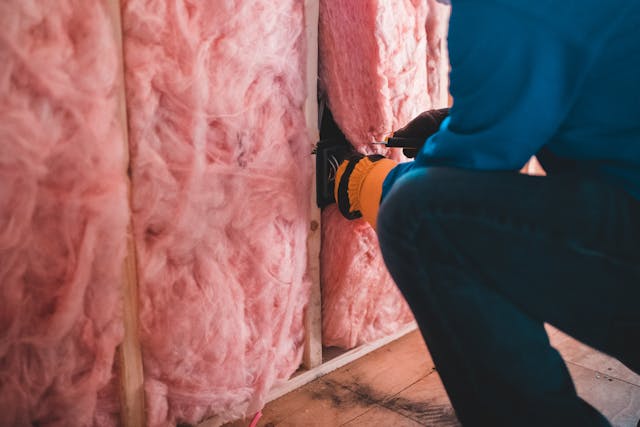
Insulation is another large factor. Modern mobile homes often use improved insulation in the walls, floors, and ceilings. Better insulation slows heat transfer, helping the home maintain a stable indoor temperature. That reduces the HVAC system's workload.
In an older, poorly insulated mobile home, the heating and cooling system may run constantly because the home loses conditioned air quickly. In a newer mobile home with stronger insulation and better sealing, the system does not have to fight the building as much.
Green Mobile Living: Solar, Insulation & Water Conservation Tips
Windows and Doors
Windows and doors also make a large difference. Older mobile homes may have basic windows that let in too much heat in summer and let out too much in winter.
Newer models may include double-pane or Low-E windows, which are designed to reduce heat transfer. Insulated doors can also help prevent drafts. These features may not sound like a big deal, but they will be over the life of the home
A home with efficient windows and sealed doors will usually be more comfortable and less expensive than one with thin glass, weak frames, and air leaks around every opening.
Heating and Cooling Systems
Heating and cooling equipment is often where energy efficiency becomes most noticeable. A mobile home with a modern, properly sized HVAC system can use far less energy than one relying on old electric resistance heat, inefficient window units, or poorly maintained ductwork.
Efficient HVAC equipment, smart thermostats, and sealed ducts can all reduce wasted energy. Smart thermostats are not magic, but they do help control costs by reducing unnecessary heating and cooling when the home is empty or during sleeping hours.
Appliances and Lighting
New mobile homes may include Energy Star appliances, LED lighting, efficient water heaters, and other features that lower everyday energy use. A hybrid water heater, for example, can use significantly less electricity than a standard, older electric water heater.
LED lighting uses less power than older bulbs. Individually, these upgrades may seem small, but together they can reduce monthly utility costs and improve the home's overall efficiency.
Skirting and Underside Protection
Because many mobile homes are raised above the ground, their undersides are vulnerable to wind, moisture, and temperature fluctuations. Proper skirting helps protect that space. It can reduce drafts under the floor, protect plumbing, and improve comfort inside the home.
Poor or damaged skirting can make the home harder to heat and cool. In colder weather, it can also increase the risk of frozen pipes. For this reason, energy efficiency in a mobile home is not only about what happens inside the walls; it also extends to the foundation, crawlspace, and underside.
Installation Quality
Even a well-built home can lose efficiency if it is poorly installed. Gaps, weak sealing, damaged ductwork, uneven support, and poor connection points can create problems. This is similar to modular homes, where the factory-built sections may be efficient, but the final performance depends heavily on how well the modules are joined and sealed on-site.
The same general principle applies to mobile homes: the factory can produce a tight structure, but the site work still has to be done correctly.
Comparison to Older Site-Built Homes
Compared with older site-built homes, modern mobile homes can be very competitive. Many older houses were built before today’s energy expectations. They may have insufficient attic insulation, old single-pane windows, leaky ductwork, and outdated mechanical systems. Against that kind of house, a new mobile home may easily be more efficient. It may also cost less to heat, cool, and maintain.
This is one of the many reasons mobile homes are attractive to buyers who want a lower purchase price without accepting outdated living standards.
Comparison to New Site-Built Homes
A high-quality new site-built home can be extremely efficient, especially if it is built with advanced insulation, high-performance windows, solar panels, careful air sealing, and premium HVAC equipment. In that case, a mobile home may not automatically outperform it.
Age, construction quality, climate, equipment, and maintenance all affect efficiency.
Improving Older Mobile Homes
Older mobile homes can be improved with the following:
-
Adding insulation
-
Sealing air leaks
-
Repairing or replacing skirting
-
Installing window film
-
Upgrading windows and doors
-
Caulking
-
Weatherstripping
-
Replacing inefficient appliances
-
Maintaining HVAC systems
Vapor barrier repairs can also be important because damage underneath the home can allow air, moisture, and pests into places they should not be. These upgrades may not make an older mobile home equal to a new high-performance house, but they can reduce waste and make the home more comfortable.
Buyers Guide to a Used Mobile Home
The Role of Climate
In warmer climates, cooling efficiency, shade, roof condition, window quality, and air sealing are especially important. In a cold climate, floor insulation, skirting, duct sealing, and protection against drafts become more important.
A mobile home that performs well in one region may need different upgrades in another. Energy efficiency is determined by how the home performs in its actual location.
Final Thought
New mobile homes can be energy-efficient, and they are often much better than the older mobile homes people still think of. They may outperform older traditional houses, especially when they include modern insulation, efficient windows, sealed ducts, smart thermostats, efficient appliances, and proper skirting.
So, are mobile homes efficient? A modern, well-installed mobile home can be a highly efficient and affordable housing option, while an older or poorly maintained mobile home may need significant upgrades to reach that level.
What Buyers Should Look For
The key is to judge the individual home, not the label. Buyers should look at insulation levels, window quality, HVAC efficiency, duct sealing, skirting, appliance ratings, and installation standards.
Owners of older homes should prioritize improving air sealing, insulation, moisture management, and upgrading to more efficient equipment. Focusing on these areas can make a big difference in comfort and utility costs. These practical measures enable older mobile homes to operate efficiently and remain affordable, offering a viable alternative to the higher cost of purchasing a newly constructed conventional house.