
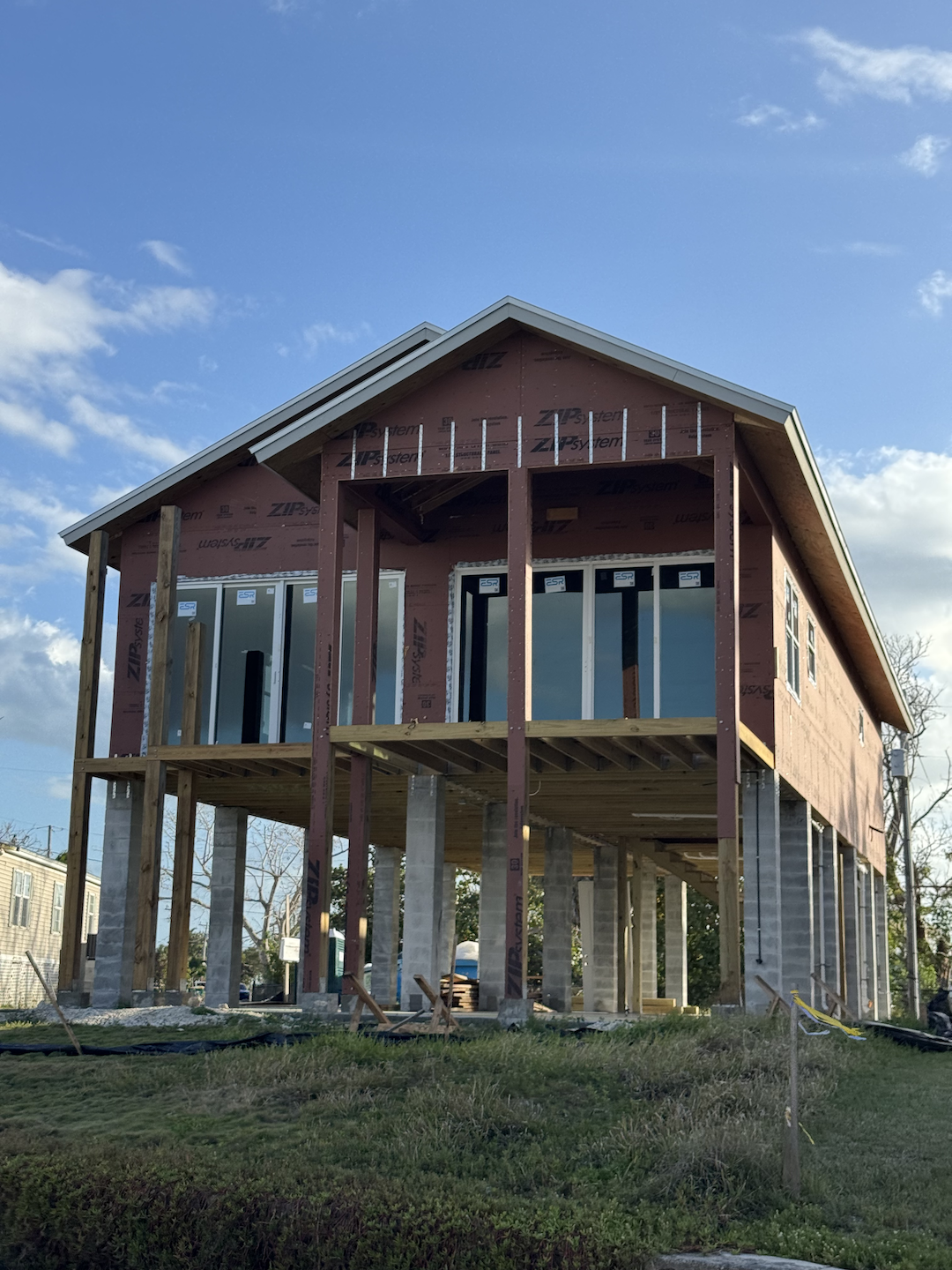
Modular homes, manufactured homes, mobile homes—you may have come across all of these terms during your research. But what are the differences between them? How do they compare?
In this full comparison guide, Home Nation breaks down everything you need to answer the big question. Modular homes vs manufactured homes: which is the better choice?
From cost and quality to the pros and cons of each type, you’ll have a clear understanding of what sets them apart.
What’s the Difference Between Modular and Manufactured Homes?
Both modular and manufactured homes are built in a factory.
The main difference is that modular homes are built in sections and then assembled on-site on a permanent foundation. Manufactured homes are portable homes typically set on a steel chassis or piers.
Beyond the structure itself, there are a few key areas that help define the pros and cons of manufactured vs modular homes, including:
-
Cost
-
Quality
-
Customization
-
Financing options
-
Taxes
Let’s take a closer look at each of these to help you understand which option better fits your goals.
Modular Homes vs Manufactured Homes: Cost
When comparing modular and manufactured homes, cost is often one of the biggest deciding factors.
While both options are generally more affordable than site-built homes, they differ in upfront price, long-term value, and total project cost.
|
Home Type |
Cost per Sq Ft |
|
Manufactured homes |
Average $87 |
|
Modular homes |
$250–$400 |
These prices can vary based on size, customization, and location.
Still, the main difference in cost is related to construction and installation requirements.
Modular homes
-
Must follow local building codes (same as site-built homes)
-
Are installed on a permanent foundation
-
Offer more customization options (layouts, finishes, upgrades)
-
Typically involve higher labor and material costs
-
Require more site work, as modular homes are installed using a crane
Manufactured homes
-
Conform only to the Housing and Urban Development (HUD) code (less strict than local building codes)
-
Are typically placed on piers or steel chassis
-
Offer limited customization options (pre-designed models)
-
Involve lower construction and material costs
-
Require less time and effort to install
Modular Homes vs Manufactured Homes: Quality
When it comes to quality, the modular homes vs. manufactured homes difference lies in building requirements, durability, and level of customization.
Modular homes
-
Are built to local building codes (same as site-built homes)
-
Are installed on a permanent foundation
-
Are structurally approved by inspectors before and after installation
-
Are highly customizable (layouts, finishes, upgrades)
-
Are generally more durable and sturdy than manufactured homes
Manufactured homes
-
Are built to the HUD code (less strict than local building codes)
-
Have a chassis that can be attached to wheels to move the home
-
Offer limited customization (pre-designed models)
-
Are generally less durable than modular homes
Overall, modular homes tend to offer higher quality and durability, with standards and customization that closely match site-built homes. You can review Home Nation’s modular home catalog to get a better sense of available models and customization options.
Because manufactured homes are built to simpler standards, they’re a more affordable option for buyers prioritizing cost over long-term durability.
Modular vs Manufactured Homes: Other Factors to Consider
Financing options
Financing is one of the biggest differences between modular and manufactured homes.
Modular homes are treated like traditional real estate. Buyers can use a construction loan during the build, and then switch to a standard mortgage once the home is completed.
Manufactured homes, however, don’t always qualify for traditional mortgages.
Buyers may use options like an FHA Title I loan. With an FHA Title 1 loan, the buyer is permitted to lease the land where the home resides, such as in a manufactured home community.
Another common option is a chattel loan, which is used for personal property. These loans are easier to access, but typically come with higher interest rates.
Appreciation and long-term value
Manufactured homes tend to depreciate over time, similar to a vehicle.
Since modular homes are installed on a permanent foundation and classified as real property, they generally change in value with the market, following what happens with site-built homes.
Customization
Modular homes offer a high level of customization, allowing buyers to choose layouts, finishes, and upgrades before construction begins.
Manufactured homes are typically sold as pre-designed models with more limited customization options, making them a faster but less flexible choice.
Taxes
Taxation is often a topic most buyers forget to consider when comparing modular homes vs manufactured homes.
Modular homes are typically classified as real property, meaning they’re taxed the same way as traditional site-built homes.
Manufactured homes, however, may be taxed differently depending on how they’re classified. If you own the land where the home is installed, it may be taxed as real property.
Otherwise, it’s often considered personal property and taxed like a vehicle rather than real estate.
Modular Homes vs Manufactured Homes: Which Is Right for You?
Generally speaking, the best option depends on your priorities and long-term goals.
If your main need is affordability and speed, manufactured homes are your best choice.
If you’re looking for long-term value, durability, and customization, modular homes offer more flexibility and have a stronger resale potential.
Both options can work depending on your budget, land ownership, and long-term plans.
Below is a side-by-side comparison of the key differences between the two options:
|
Manufactured homes |
Modular homes |
|
|
Cost to build |
Lower |
Medium |
|
Type of Foundation |
Semi-permanent (e.g., pier and ground anchors) or permanent |
Permanent |
|
Portability |
Yes (can be moved with chassis) |
No (permanently installed after assembly) |
|
Building requirements |
HUD code |
Local building codes |
|
Customization options |
Limited |
High |
|
Durability |
Lower |
High |
|
Financing options |
Chattel, FHA Title I, or limited mortgages |
Construction loan, then traditional mortgage |
|
Value over time |
May depreciate |
Typically appreciates |
Which Is Worth the Investment: A Modular or a Manufactured Home?
Are manufactured homes a good investment? Or, are modular homes a better choice?
For affordability and faster construction timelines, manufactured homes are the best option. Over the years, they’ve improved in both quality and design, but they still don’t match the build quality of modular homes.
Modular homes offer greater durability, customization, and resale potential. Built to higher standards and permanent foundations, they feel like traditional homes at a lower cost.
Other factors worth considering before making a decision:
-
Your lifestyle and space needs
-
Whether you plan to stay long-term or sell later
-
Land ownership (owned vs leased)
-
Financing options available for you
When comparing modular homes vs manufactured homes, there’s no one-size-fits-all answer. It really comes down to what works best for your needs and priorities.
If modular homes are starting to feel like the right fit, you can take the next step by exploring Home Nation’s catalog to compare layouts, pricing, and features.