

Modular homes have become one of the smartest ways to own a quality home without the unpredictable costs of traditional construction. For most buyers across the US, the sweet spot falls between $150,000 and $300,000 for a finished home, depending on size, location, and customization. But that price tag can shift based on factors you might not expect, and understanding what drives those numbers will help you make a smarter decision.
Key Takeaways
-
Modular home base prices typically range from $50 to $100 per square foot before site work and finishing costs.
-
The final cost of a modular home often runs 20% to 50% higher than the advertised base price once delivery, foundation, and utilities are added.
-
Customization is the biggest variable in pricing, and sticking with standard floor plans can save tens of thousands of dollars.
-
Factory-direct dealers like Home Nation offer transparent pricing and eliminate middleman markups.
-
Land preparation and utility hookups are often overlooked costs that can add $10,000 to $30,000 to your total budget.
What Modular Homes Actually Cost in 2025
The price of a modular home varies widely based on the type and size you choose. A small starter home around 1,000 square feet might cost $80,000 to $150,000 for the base unit, while a larger family home in the 2,000 square foot range could run $150,000 to $300,000. Luxury models with premium finishes and custom layouts can push past $400,000. When researching how much does a modular home cost, keep in mind that most advertised prices reflect the base model only.
Those base prices cover the factory-built structure, including framing, insulation, interior walls, windows, and basic finishes. What they don't include is everything needed to make that structure a livable home on your property. According to data on average modular home cost in the US, buyers should expect the total finished cost to be 20% to 50% higher than the base price once all site work is complete.
Related: Mobile vs Modular
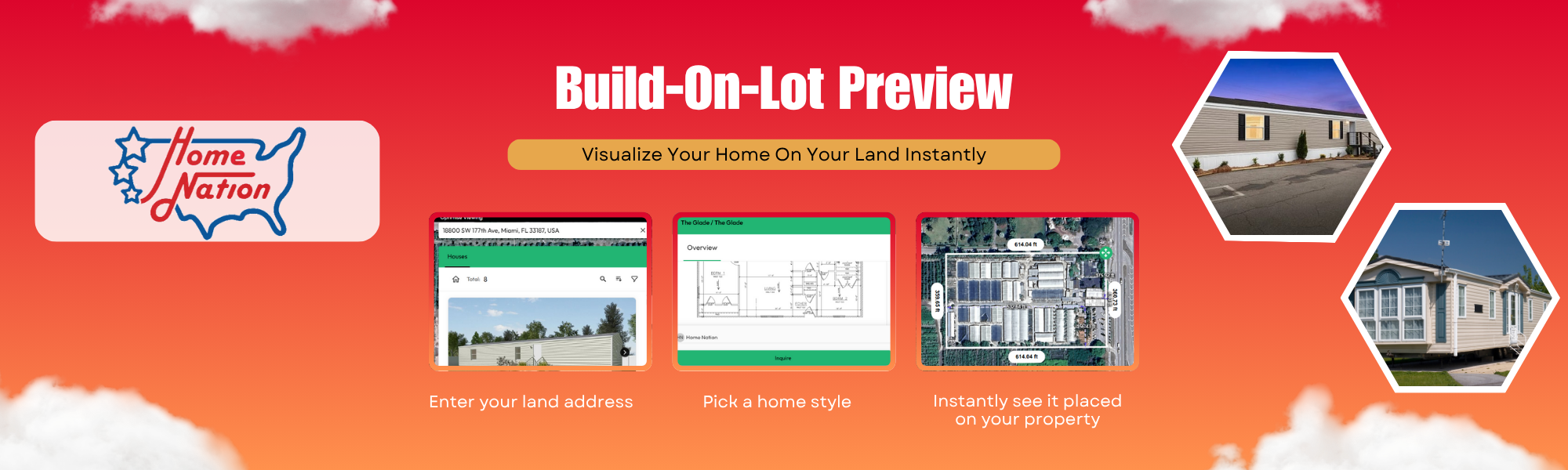
Where Your Money Actually Goes
Understanding the breakdown of modular home costs helps you plan realistically. The base unit itself is just one piece of a larger puzzle, and the expenses that come after delivery often catch first-time buyers off guard.
The factory module represents about 50% to 60% of your total investment. This covers all the precision construction done in a controlled environment, which is why modular homes often have better quality control than site-built houses. Breaking down modular home price per square foot helps you compare options, but remember that per-square-foot costs vary significantly by region and finish level.
Foundation costs alone can range from $6,000 for a simple slab to $20,000 or more for a full basement. Add utility hookups at $3,000 to $25,000 depending on your property's access to water, sewer, and electricity. Delivery fees typically run $3,000 to $12,000 based on distance from the factory. Permits, inspections, and local fees add another $2,000 to $8,000 in most areas.

Factors That Change Your Final Price
Several variables can push your modular home cost up or down significantly. The biggest factor is customization. Sticking with a standard floor plan and factory finishes keeps costs predictable, while custom layouts and premium upgrades can add $30,000 to $100,000 or more. When comparing mobile vs modular options, modular homes offer more customization potential but also more opportunities to overspend if you're not careful.
Land preparation is another major cost driver. If your lot needs clearing, grading, or drainage work, budget $5,000 to $15,000 before any construction begins. Sloped lots, rocky terrain, or properties in flood zones will push those numbers higher. Learning how to budget for your new home early in the process will help you avoid surprises down the road.
Geographic location affects both the base price and site costs. Labor rates, material costs, and permit fees vary by state and county. Rural properties often have higher utility connection costs since you may need to extend power lines, install septic systems, or drill a well.
Related: How to Budget for Your New Home
How to Save Without Cutting Corners
Smart buyers find ways to reduce costs without sacrificing quality. The most effective strategy is choosing a standard floor plan that meets your needs rather than customizing from scratch. Factory-standard layouts are optimized for efficient production, which translates to lower prices and faster delivery times.
Working with a factory-direct dealer eliminates middleman markups that can add thousands to your final price. Companies like Home Nation ship directly from the factory with transparent pricing, so you know exactly what you're paying for. This approach also gives you access to bulk pricing and financing options that might not be available through traditional builders.
If you want upgrades, prioritize high-impact areas. A nicer kitchen or upgraded bathroom adds real value to your daily life and resale potential. Basic bedrooms and hallways? Stick with standard finishes. This selective approach lets you get the features that matter most without inflating the overall budget. Planning ahead and building a 10% contingency into your budget also protects you from unexpected costs during site work.
Find Your Perfect Modular Home
Ready to explore your options? Home Nation offers a wide selection of modular homes for sale with factory-direct pricing, nationwide delivery, and financing for all credit types. Browse available floor plans, use the online estimator to customize your home, and get transparent pricing without the guesswork.
The Bottom Line on Modular Home Prices
Modular homes offer a compelling combination of quality, speed, and value that's hard to match with traditional construction. While prices vary based on size, location, and customization, most buyers can find a well-built home in their budget with careful planning.
The key is understanding what's included in the base price, budgeting for additional costs, and working with a reputable factory-direct dealer who offers transparent pricing. When you know what to expect, you can make confident decisions and end up with a home that fits your lifestyle and your budget.